Celebrate Identity with a Vibrant, Hand-Drawn Design
There’s a unique power in a design that feels both joyful and deeply meaningful. The “Free to Be Lgbt” graphic captures that essence perfectly, transforming a message of pride and acceptance into a versatile visual asset. More than just a collection of colors, this hand-drawn, rainbow-splashed design is a statement piece. It’s built for creators, entrepreneurs, and anyone who wants to weave a celebration of diversity into their projects, whether for personal expression or commercial use.
Understanding the Visual Appeal of This Pride Design
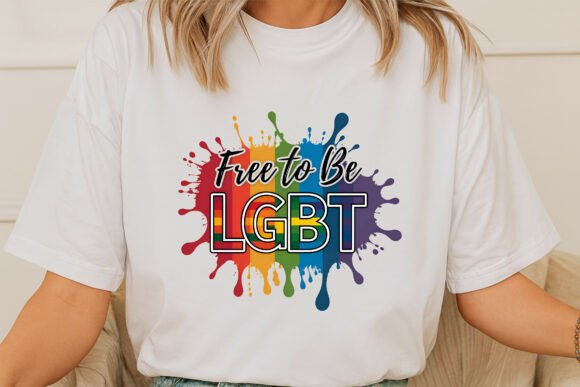
At first glance, the energy is unmistakable. The playful, hand-lettered “Free to Be” immediately sets a tone of authenticity and warmth. Each letter is filled with a different color from the pride rainbow, creating a rhythmic, eye-catching flow. This isn’t a sterile, corporate font; it has the human touch that makes a design feel approachable and real. Below, the bold, outlined “LGBT” provides a strong, confident anchor, ensuring the message is clear and readable even at smaller sizes.
The background of splattered paint in vibrant hues adds a dynamic, festive layer. It suggests celebration, movement, and the beautiful messiness of real life and expression. This combination of a hand-drawn font with a textured, abstract background gives the graphic incredible versatility. It can feel retro, modern, or artistic depending on how it’s used. The high-resolution PNG file with a transparent background is a practical dream for designers, allowing you to layer this asset over any color, texture, or photograph without a clumsy white box around it.
Practical Applications for Creators and Businesses
This is where the design moves from a beautiful image to a powerful tool. For small business owners and entrepreneurs, especially those in the creative or lifestyle space, this asset can become a cornerstone of inclusive branding. Imagine it on product packaging for a candle company, a bakery, or a stationery brand that wants to explicitly celebrate its LGBT customers. It immediately communicates values of acceptance and joy.
Content creators and social media managers will find it invaluable for crafting engaging posts, especially around Pride Month or for ongoing campaigns that highlight diversity. Use it as a bold header for a blog post, a featured image for a podcast episode about identity, or as the central graphic for a series of Instagram Stories. Its festive nature is perfect for invitations to community events, virtual gatherings, or celebratory sales.
For those in merchandise, the applications are extensive. The design is perfectly suited for high-quality prints on T-shirts, tote bags, and tumblers. It can be adapted for home decor like palette signs or wall art, bringing a burst of color and meaning into living spaces. Even stationery and party items can be elevated, turning everyday objects into statements of support. The 300 dpi resolution ensures that whether you’re printing a large poster or a small sticker, the detail remains crisp.
Integrating the Design into Your Brand Identity
Using a graphic like this effectively requires some strategic thinking about your overall brand identity. The key is consistency. If you’re a brand that values inclusivity, this design shouldn’t be a one-off Pride Month post. It can inspire a broader color palette for your marketing materials, inform the tone of your social media captions, or even inspire a product line.
Consider how this hand-drawn, colorful style aligns with your existing brand voice. If your brand is generally playful and community-focused, this graphic will fit in seamlessly. If your aesthetic is more minimalist, you might use the design in a more focused way—perhaps extracting just the “Free to Be” lettering for a simpler look, or using it as a bold accent against a clean, neutral background. The goal is to enhance, not clash with, your established visual language.
When using it in digital spaces like your website or blog, ensure it complements your other design assets. Think about font pairing—the playful, hand-drawn style of “Free to Be” might pair well with a clean, modern sans serif font for body text to ensure readability. On social media, the graphic can serve as a focal point that stops the scroll, but the accompanying caption should tell the story behind why you’re sharing it.
Making It Work: Practical Design Considerations
Before you download and start creating, a few practical tips will help you get the most out of this asset. First, always check the included file details. You’re getting a single PNG, which is ideal for layering in programs like Canva, Adobe Photoshop, or Illustrator. Since it’s not editable, you can’t change the individual letters or colors, but the transparent background gives you immense flexibility in placement.
Think about context and readability. While the design is vibrant, placing it on a very busy, multicolored background might cause it to lose impact. Often, letting it shine against a solid color—whether a deep navy, a soft grey, or even a clean white—makes the rainbow hues pop. For merchandise, consider the product color. A white t-shirt will make the design stand out brilliantly, while a black t-shirt will give it a completely different, more dramatic feel.
Finally, remember the licensing. This is a commercial font and graphic asset, meaning you can use it in projects you sell, like merchandise or digital products. This is a significant advantage for entrepreneurs. However, you cannot resell the digital file itself. Understanding this distinction allows you to use the design confidently in your business, turning a celebration of pride into a tangible part of your offerings.
In a world that craves authenticity and connection, a design that so openly champions freedom and identity has a special place. It’s more than a graphic; it’s a conversation starter, a badge of honor, and a piece of art that can help tell your brand’s story or amplify your personal message. By thoughtfully integrating the “Free to Be Lgbt” design into your projects, you’re not just adding color—you’re adding meaning.