Crafting a Winning Business Proposal Presentation
That moment when you have a brilliant solution for a client, but the document you send over feels flat, generic, and uninspired. The ideas are there, but the delivery falls short, and you lose the contract to a competitor with a flashier pitch. A compelling proposal is more than just text on a page; it's a visual argument for why you are the right choice. It needs to guide the reader, build trust, and make the complex feel simple. This is where a thoughtfully designed Business Proposal Presentation becomes your secret weapon, transforming a standard document into a persuasive narrative that wins business.
More Than Just Slides: A Framework for Persuasion
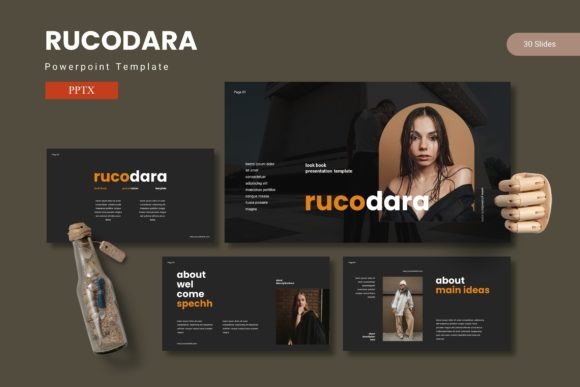
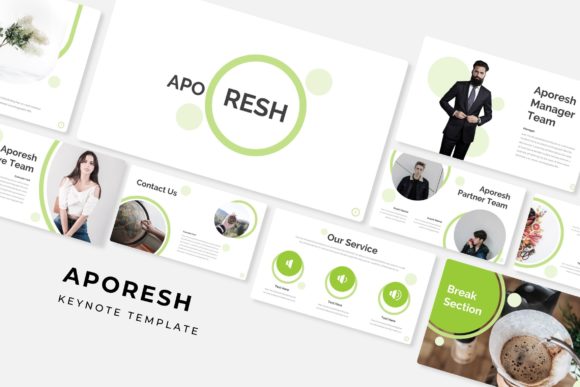
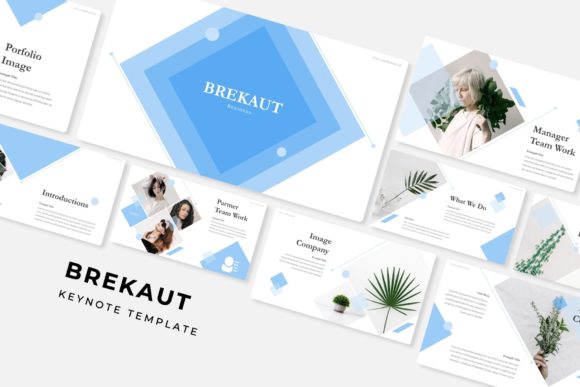
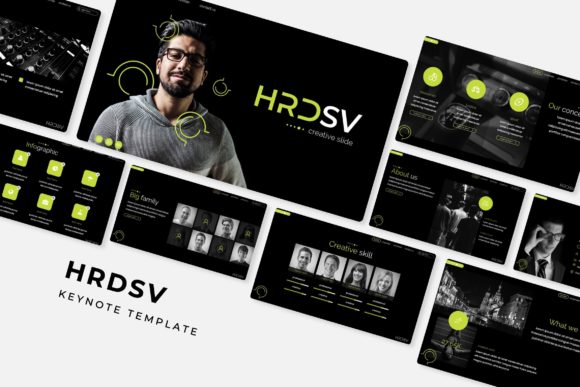
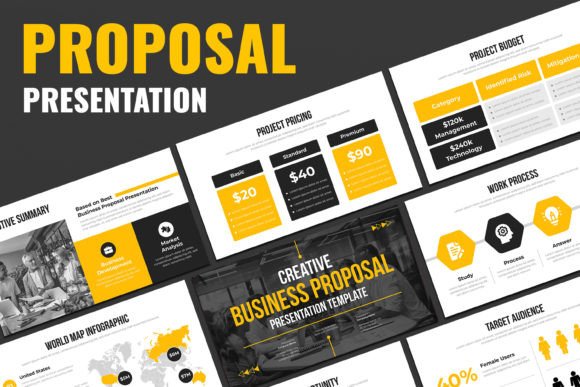
Think of a professional proposal template not as a rigid set of slides, but as a flexible storytelling framework. A high-quality Business Proposal Presentation template, like one featuring 124 unique slides, provides the architectural blueprint for your message. It starts with a strong, customizable cover that sets the tone for your brand. From there, it logically flows through critical sections: a sharp introduction to your company, a deep dive into the client's problem statement, and a clear, visual breakdown of your proposed solution.
The real power lies in its structure. Dedicated slides for benefits, project timelines, and detailed budgets allow you to present information with clarity and impact. Instead of burying key data in dense paragraphs, you can use the provided placeholders for charts, graphs, and iconography. This visual approach does more than look good—it aids comprehension. A timeline graphic instantly communicates project phases, and a clean budget table makes financial discussions transparent. The template ensures your ideas are communicated coherently, leaving no room for confusion about your value proposition.
Practical Applications Across Industries
The utility of a robust presentation template extends far beyond a simple sales pitch. For branding agencies, it's the perfect vehicle to showcase a new logo design system, presenting the visual identity, color palette, and usage guidelines in a polished, client-ready format. Marketing professionals can leverage the same structure to outline a multi-channel campaign, detailing social media graphics strategies, content plans for blogs, and metrics for success.
Entrepreneurs seeking investment will find the budget and timeline slides invaluable for demonstrating fiscal responsibility and a clear path to market. Even in creative fields, the template adapts seamlessly. A packaging design firm can use it to present product concepts, while a web designer can outline a site architecture and web design mockups. It’s equally effective for proposing editorial layouts for magazines, detailing merchandise lines, or pitching collaborations. The template becomes a universal tool for any professional needing to present a plan with authority and visual finesse.
Elevating Your Visual Communication
A template's design is its silent ambassador. A professional, clean layout immediately elevates your perceived credibility. The use of master slides ensures that every page maintains consistent branding—your fonts, colors, and logo placement are uniform, reinforcing brand recognition with every click. Features like drag-and-drop photo replacement and full HD resolution (1920×1080) mean your visuals are always crisp and aligned, whether viewed on a laptop or a large conference screen.
This consistency is crucial for audience engagement. A disjointed presentation with varying fonts and cluttered layouts is distracting. A cohesive design guides the viewer's eye naturally from one point to the next, making your argument easier to follow and more persuasive. The right typography, often using a clean sans serif font for body text and a complementary display font for headings, enhances readability and keeps the focus on your message, not on deciphering the text.
Integrating Into Your Creative Workflow
One of the greatest strengths of a versatile template is its compatibility with your existing tools. Being able to edit seamlessly in PowerPoint (PPTX), Google Slides (DOCX), and Illustrator (EPS) means it fits into any workflow. A content creator comfortable in Slides can collaborate easily, while a designer might prefer the advanced vector editing capabilities of Illustrator for intricate custom graphics. This flexibility eliminates software barriers and streamlines the creation process.
Consider the practicalities of font pairing. A good template will often suggest or include links to premium fonts that work well together, saving you the guesswork. When customizing, always prioritize readability. A beautiful script font might work for a title on an invitation, but it's rarely suitable for a dense budget breakdown. Test your pairings by viewing the slides at a small size to ensure text remains legible. Remember, the goal is clear communication, not just aesthetic flair.
Choosing the Right Template for Your Goals
When selecting a Business Proposal Presentation, look beyond the number of slides. Assess the design style—does it align with your typical projects, or is it versatile enough to adapt? A template with a modern, minimalist aesthetic might be perfect for a tech startup, while one with warmer tones and elegant typography could suit a boutique consultancy or a wedding planner's invitations business.
Review the included features critically. Does it offer the specific slide types you need, such as team bios, case studies, or service breakdowns? Check the commercial licensing terms to ensure you can use it for client work without restrictions. Finally, consider the support offered. Access to a help file and responsive customer service can be invaluable if you encounter customization hurdles. The right template is an investment that pays for itself in time saved and contracts won, providing a polished foundation that lets your expertise shine through.