Summer Fresh: A Typeface for Crisp, Modern Branding
There’s a certain energy that comes with the perfect summer day—the bright clarity of the sky, the clean lines of modern architecture against a sunset, the crisp feel of a well-designed invitation. Capturing that feeling in a visual project requires more than just a color palette; it demands typography that carries the same weight of freshness and intention. This is where a typeface like Summer Fresh steps in, offering a blend of contemporary style and versatile character that can instantly elevate a design from ordinary to memorable.
At its core, Summer Fresh isn't just a single font. It's a curated typographic toolkit designed for creators who need both impact and flexibility. The collection includes a sharp, clean sans serif like Montserrat for headlines and body text, ensuring excellent readability across digital screens and print. Alongside it, you'll find expressive scripts like Better Grade and Lucida Handwriting Italic, which add a personal, human touch—perfect for logos, quotes, or call-to-action elements. The inclusion of a bold, geometric sans like Berlin Sans FB Demi provides a strong foundation for branding that needs to feel confident and modern. This combination allows a designer or business owner to build a complete visual language without hunting for complementary typefaces.
More Than a Font: A System for Visual Consistency
For a small business owner or a content creator, the struggle is often maintaining a consistent look across every touchpoint. Your Instagram post should feel related to your website header, which should echo the tone of your email newsletter. Using a unified typeface system like Summer Fresh solves this. Imagine using the clean Montserrat for all your website body copy and product descriptions, then using the same family in bold for your social media graphics to create instant recognition. When you need a featured quote or a special announcement, the elegant script fonts from the collection can be deployed to draw the eye without breaking the overall brand harmony.
This approach moves beyond simply picking a "nice font." It’s about strategic typography. The included AI and EPS files, fully layered and editable at 300 DPI, mean you’re not just getting letters—you’re getting a professional design asset. You can adjust kerning, change colors, or modify letterforms to perfectly match your brand’s unique personality. This level of customization is what separates a generic post from a branded piece of communication.
Practical Applications: From Screen to Print
The true test of a creative font is its versatility. Let’s break down where a system like this shines:
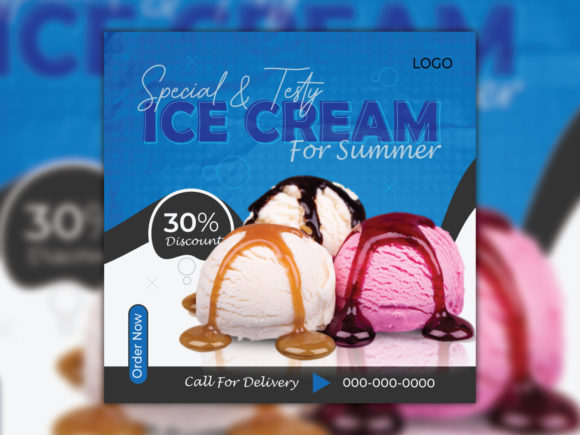
- Social Media Graphics: The 600x600 pixel template is a direct solution for creating polished Instagram posts or Facebook ads. Editable layers mean you can swap out text, change backgrounds, and adapt the design for multiple campaigns while keeping the typography consistent.
- Logo Design & Brand Identity: Combining the strong sans serif with a delicate script can create a logo that is both professional and approachable. The fonts are designed to work together, taking the guesswork out of pairing.
- Packaging & Merchandise: For product labels, tags, or merchandise like tote bags and mugs, the high-resolution 300 DPI files ensure crisp printing. The bold display fonts are perfect for making a product name stand out on a shelf.
- Editorial & Digital Products: Whether you’re designing an e-book, a workbook, or a blog layout, having a range of weights and styles within the same typographic family helps create a clear hierarchy, guiding the reader’s eye naturally through the content.
Think about the practical workflow benefits. Instead of spending hours testing font pairings that might clash, you have a pre-vetted set. The included help guide is a practical resource, not just a technical manual. It can help a hobbyist or a new entrepreneur understand basic typographic principles, like how to use different weights to create emphasis or when a script font might be too ornate for body text.
Choosing and Implementing Your Typography
When integrating a new typeface into your projects, a thoughtful approach pays off. Start by identifying the primary goal of your communication. Is it to convey luxury? Use the script fonts sparingly for accents. Is it to communicate efficiency and modernity? Lead with the geometric sans serif. The key is to match the font’s personality to your message.
Readability is non-negotiable, especially for web design and longer print materials. While the scripts are beautiful, they are best used for short bursts of text—a headline, a subheading, a single-word accent. For paragraphs, always opt for the clean, highly legible sans serif options. Test your designs at different sizes, both on a desktop monitor and a mobile phone screen, to ensure nothing is lost in translation.
Consider the commercial aspect. If you’re creating assets for a client or for sale, verifying the licensing is crucial. A template that includes both AI CC and CS6 files, along with EPS, demonstrates a commitment to broad compatibility, allowing you to work in your preferred design software and deliver final files in the format your client or printer needs.
Ultimately, a resource like this is about empowerment. It provides the building blocks—premium, editable design assets—that allow a marketer to craft a compelling campaign, a blogger to design a standout media kit, or a crafter to create professional-looking party invitations. It’s about having the right tools at hand to translate a creative vision into a polished, cohesive reality, capturing that crisp, engaging feeling of a perfectly executed summer day in every design you produce.