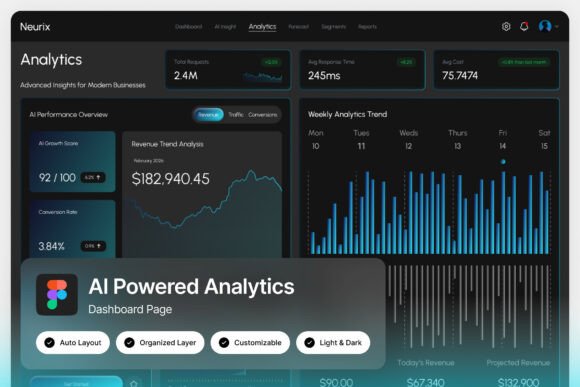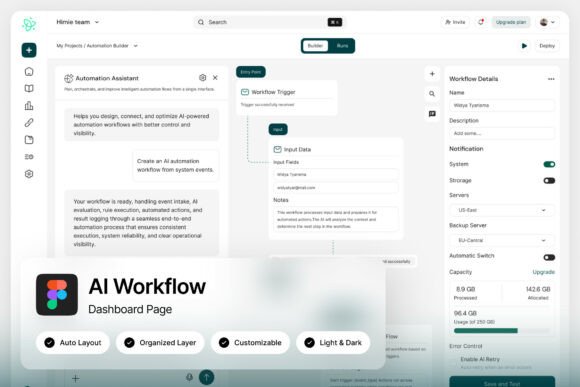
ShipTrack Admin Shipment Dashboard: Modern Logistics Interface
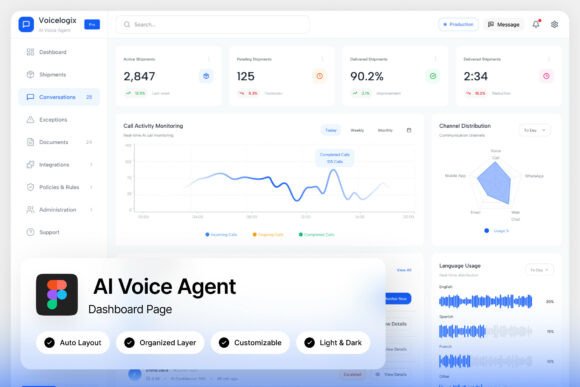
For teams managing complex logistics, the clarity of your operational tools directly impacts efficiency. A cluttered or outdated interface can slow down decision-making and obscure critical data. The ShipTrack Admin Shipment Dashboard Landi template offers a solution, presenting a clean, modern visual framework specifically engineered for the demands of delivery tracking, warehouse management, and transportation monitoring. It’s more than just a pretty interface; it’s a foundational design asset built to organize chaos and provide at-a-glance insight into your entire shipment lifecycle.
A Foundation for Professional Logistics Platforms
At its core, this dashboard template is a masterclass in information hierarchy. The layout prioritizes the data that logistics managers need most: shipment statuses, delivery timelines, performance metrics, and geographical tracking. The design uses a combination of clean sans-serif typography, intuitive iconography, and strategic use of color to create visual pathways that guide the user's eye. Whether you're building an internal tool for your delivery fleet, a client-facing portal for a 3PL provider, or a monitoring system for a warehouse, this template provides a polished, pixel-perfect starting point that communicates competence and reliability from the first click.
The inclusion of both Light and Dark mode interfaces is a significant practical benefit. It allows for adaptation to different user environments and preferences, reducing eye strain during long operational hours and aligning with the modern expectations of software design. This attention to user experience is what separates a generic template from a thoughtful design system. For a developer or a startup founder, having this level of detail pre-built in a customizable Figma file accelerates the path to a professional MVP or a full-scale production tool.
Beyond the Screen: Translating Logistics Clarity to Brand Identity
While the primary use case is a digital dashboard, the visual language of the ShipTrack Admin Shipment Dashboard Landi template holds valuable lessons for broader branding and marketing applications. The clean lines, structured layouts, and modern aesthetic are not confined to a screen. Consider how this style can inform other touchpoints for a logistics or tech-forward company.
- Marketing & Website Design: The dashboard's organized layout can inspire the structure of a service webpage, using similar grids and data visualization styles to explain complex logistics services in an accessible way. The modern typography pairs well with professional imagery for landing pages and case studies.
- Presentation & Pitch Decks: The template's visual components—charts, status indicators, and clean data cards—can be adapted into slide designs for investor pitches or client presentations, ensuring your internal tools and external communications share a cohesive visual identity.
- Print Collateral: The minimalist yet informative style translates well to brochures, trade show banners, and operational manuals. Using the same font pairings and color accents creates a seamless brand experience from digital to physical.
- Social Media & Digital Content: Create graphics for LinkedIn or Twitter that mirror the dashboard's aesthetic to share company milestones, service updates, or industry insights. This consistency strengthens brand recognition across platforms.
The key takeaway is the power of a unified visual system. By starting with a strong, professional template like this, you establish a design language that can permeate every aspect of your brand's communication, from the software your team uses daily to the marketing materials that attract new clients.
Practical Implementation and Customization Tips
Getting the most out of a design asset like this requires a strategic approach to customization. The Figma file's well-organized and named layers are a huge advantage here, allowing for easy editing of colors, text, and component placement. Here’s how to approach it effectively:
- Align with Your Brand Palette: The first step is swapping the template's default colors for your own brand's primary and secondary colors. This simple change immediately makes the dashboard feel like your own proprietary tool.
- Typography for Function: The included Google Fonts are chosen for readability. Maintain this principle. If you introduce your brand's font, ensure it has excellent legibility at the sizes used for data labels and metrics. A clean sans-serif for UI elements and a complementary serif or display font for headings can work well.
- Adapt Components to Your Data: Don't just populate the charts and lists with dummy data. Map the existing components to your actual key performance indicators (KPIs). Does your business need to track fuel efficiency more than delivery time? Rearrange the dashboard modules to reflect that priority.
- Test in Context: View your customized design on different screen sizes and, if possible, test the prototype with actual users from your operations team. Their feedback on what information is most critical will be invaluable in refining the layout.
Remember, the goal is not to use the template as-is, but to use it as a robust scaffold to build upon. The time saved on foundational layout and component design can be reinvented into tailoring the system to your unique operational workflow and brand identity. This template isn't just a visual; it's a productivity tool designed to be molded into the nerve center of your logistics operation.