Streamline Operations with LogiTrack's Intuitive Dashboard Template
Managing a modern supply chain feels like conducting a symphony where every instrument must play perfectly in time. From the moment a shipment leaves a warehouse to its final delivery, dozens of variables demand attention—inventory levels, transportation routes, carrier performance, and customer expectations. A cluttered or confusing interface can turn this complex orchestration into chaotic noise. That’s where a thoughtfully designed logistics dashboard template becomes invaluable, transforming raw data into clear, actionable insights that keep everything moving smoothly.
A Visual Command Center for Complex Operations
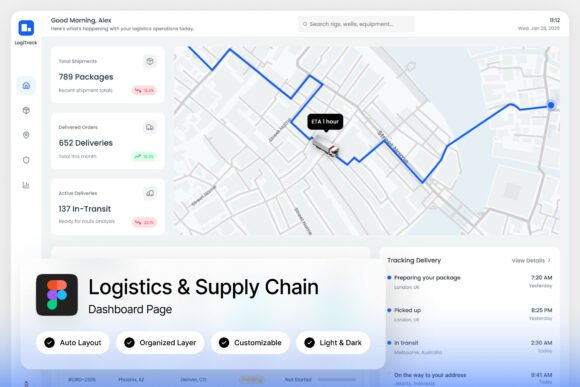
The LogiTrack Logistics & Supply Chain Dashb template isn’t just another admin panel; it’s a visual command center built specifically for the realities of logistics and supply chain management. Its design philosophy centers on clarity and efficiency, understanding that the people using it—operations managers, logistics coordinators, warehouse supervisors—need to make quick, informed decisions. The layout organizes critical information like shipment tracking, warehouse management, and transportation analytics into distinct, yet interconnected, modules. This means you spend less time hunting for data and more time acting on it.
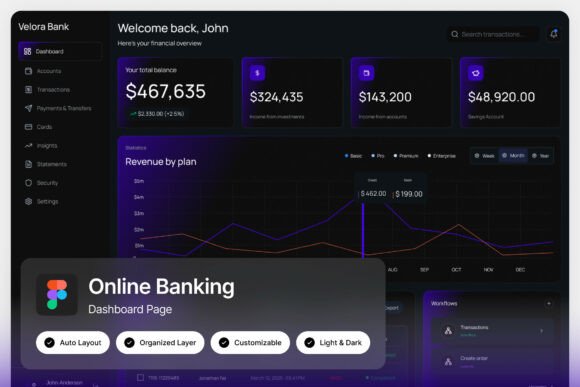
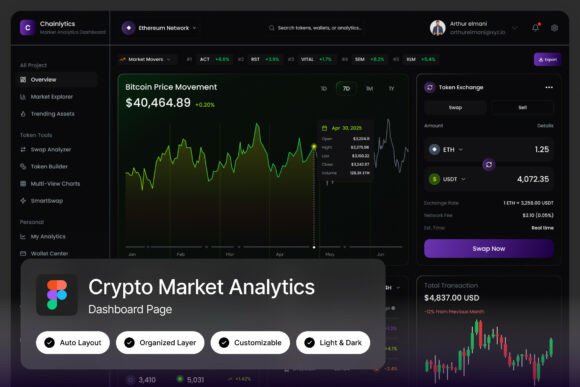
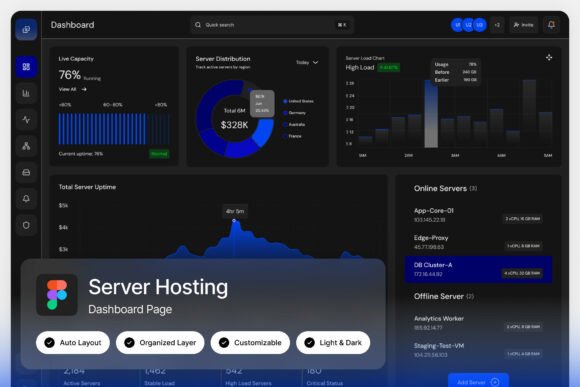
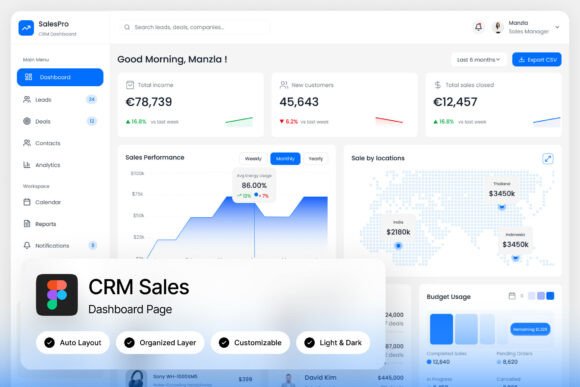
What makes it visually appealing is its adherence to modern UI principles without sacrificing functionality. The interface uses a clean, spacious grid that prevents cognitive overload. Key metrics are presented with clear typography and intuitive iconography, ensuring that even complex datasets are digestible at a glance. The inclusion of both light and dark mode interfaces is a practical touch, allowing users to choose the environment that reduces eye strain during long shifts or works best in different lighting conditions. It’s a tool designed for real-world use, not just for looking good in a portfolio.
Beyond Logistics: Adapting the Template for Diverse Projects
While its primary function is clear, the modular and professional nature of this template offers surprising versatility for designers and entrepreneurs working in adjacent fields. Think of it as a foundational design asset. The organized layouts and modern UI elements can serve as a starting point for a variety of projects where structured data presentation is key.
- Brand Identity Systems: Use the dashboard's clean aesthetic to inform the visual language of a brand, especially for tech startups, SaaS companies, or any business that handles complex data. The typography and spacing can guide logo design and marketing collateral.
- Web and App Design: The template's responsive-ready structure and component-based design make it an excellent reference for building user interfaces for web applications, client portals, or even e-commerce backend systems.
- Marketing and Sales Assets: Create compelling pitch decks, sales reports, or infographics by repurposing the chart styles, data visualization techniques, and layout grids. This ensures your marketing assets maintain a professional and data-driven look.
- Editorial and Packaging Design: The disciplined use of typography and whitespace can inspire layouts for annual reports, product manuals, or packaging that needs to convey detailed information clearly and attractively.
The key is to look at the template not as a finished product, but as a kit of parts. The well-organized, named, and grouped layers in the Figma file make it easy to extract individual components—a specific chart style, a button set, a card layout—and adapt them to your unique project goals. This approach saves countless hours compared to building a design system from scratch.
Practical Advice for Implementation and Customization
Getting the most out of a template like this involves a bit of strategy. First, consider your project's core communication goal. Is it to highlight urgent alerts? Showcase growth trends? The template’s structure allows you to prioritize modules accordingly. Don’t feel locked into the default layout; the pixel-perfect design is meant to be a starting point, not a cage.
Typography plays a huge role in the template's usability. The free Google Fonts included are chosen for their excellent screen readability and professional feel. Before finalizing your design, test the font pairings in your specific context. A font that looks perfect for a dashboard headline might not work as well for dense paragraph text in a report. Always prioritize readability for your end-user, whether they’re a warehouse worker on a tablet or a manager reviewing a weekly summary on a laptop.
Finally, pay close attention to the licensing details provided in the help guide. While the template itself is a powerful design asset, understanding the terms of use for any included fonts or other elements is crucial for commercial projects. This due diligence protects you and ensures your final product is fully compliant. By approaching the LogiTrack template as a customizable toolkit rather than a static solution, you unlock its full potential to bring order, clarity, and professional polish to even the most complex operational challenges.